Discovering woodworm in your home can immediately raise concerns about expensive repairs and damaged timber. Many homeowners worry that once woodworm appears, replacing wooden furniture, beams, flooring, or structural timber becomes unavoidable. Fortunately, this is not always the case.
In many situations, woodworms can be treated successfully without replacing wood, especially when the infestation is detected early. Modern treatment methods can often eliminate larvae hidden inside timber while preserving the existing structure. The key is understanding the severity of the infestation and whether the wood remains strong enough to save.
Woodworm damage develops gradually. Because larvae feed inside timber over several years, treatment success depends on how long the infestation has been active and whether structural weakening has already occurred. Minor and moderate infestations are often manageable without replacing wood, while severe damage may sometimes require repairs or partial replacement.
Many homeowners researching timber protection through shashel.eu/ want to know whether treatment alone is enough or if replacing wood is necessary.
In this article, we will explain when woodworm can be treated without replacing timber, the best treatment methods, and how to determine whether wood can still be saved.
What Is Woodworm?
Before discussing treatment, it is important to understand what woodworm actually is.
Despite the name, woodworm is not a worm.
Woodworm refers to the larvae of wood-boring beetles that feed on timber from the inside.
Adult beetles lay eggs in cracks or exposed wood surfaces. Once the eggs hatch, larvae tunnel into wood and begin feeding.
Over time, they create internal tunnels that weaken timber.
Eventually, adult beetles emerge through tiny holes.
Woodworm commonly affects:
- Wooden furniture
- Roof beams
- Floorboards
- Structural timber
- Ceiling joists
- Wooden stairs
Because larvae remain hidden, infestations often continue unnoticed for years.
Yes, Woodworm Can Often Be Treated Without Replacing Wood
The good news is that replacing wood is often unnecessary.
Why Timber Can Often Be Saved
In many cases:
- The infestation is still mild
- Timber remains structurally strong
- Damage is mostly internal but limited
Modern treatment methods can eliminate pests while preserving the wood.
The earlier treatment begins, the better the chance of saving timber.
When Wood Replacement Is Usually Not Needed
Many infestations can be treated without major repairs.
Mild Infestation
Small infestations often affect:
- Furniture
- Decorative wood
- Small timber areas
Treatment usually works well.
Moderate Infestation
If wood remains solid and structurally stable, treatment often saves the timber.
Old Inactive Damage
Sometimes holes are old and no active infestation remains.
In these cases:
No replacement may be necessary
Inspection helps confirm activity levels.
Signs Wood Can Still Be Saved
Timber is often salvageable if:
Wood Feels Strong
Healthy timber should feel:
- Solid
- Stable
Minor surface damage is often manageable.
No Serious Structural Weakness
Ceiling beams and floors should not sag.
Damage Is Localized
Small isolated areas are easier to treat.
No Severe Crumbling
Wood that remains stable usually responds well to treatment.
Professional inspection may confirm timber condition.
Best Treatments That Avoid Wood Replacement
Several treatment options can eliminate woodworm while preserving timber.
Chemical Woodworm Treatment
Chemical treatment is one of the most common methods.
How It Works
Special wood preservatives and insecticides are applied to affected timber.
The treatment kills:
- Larvae
- Emerging beetles
Benefits
Chemical treatment:
- Preserves wood
- Helps prevent reinfestation
Best For
It works well for:
- Mild infestation
- Moderate damage
Replacement is often unnecessary after successful treatment.
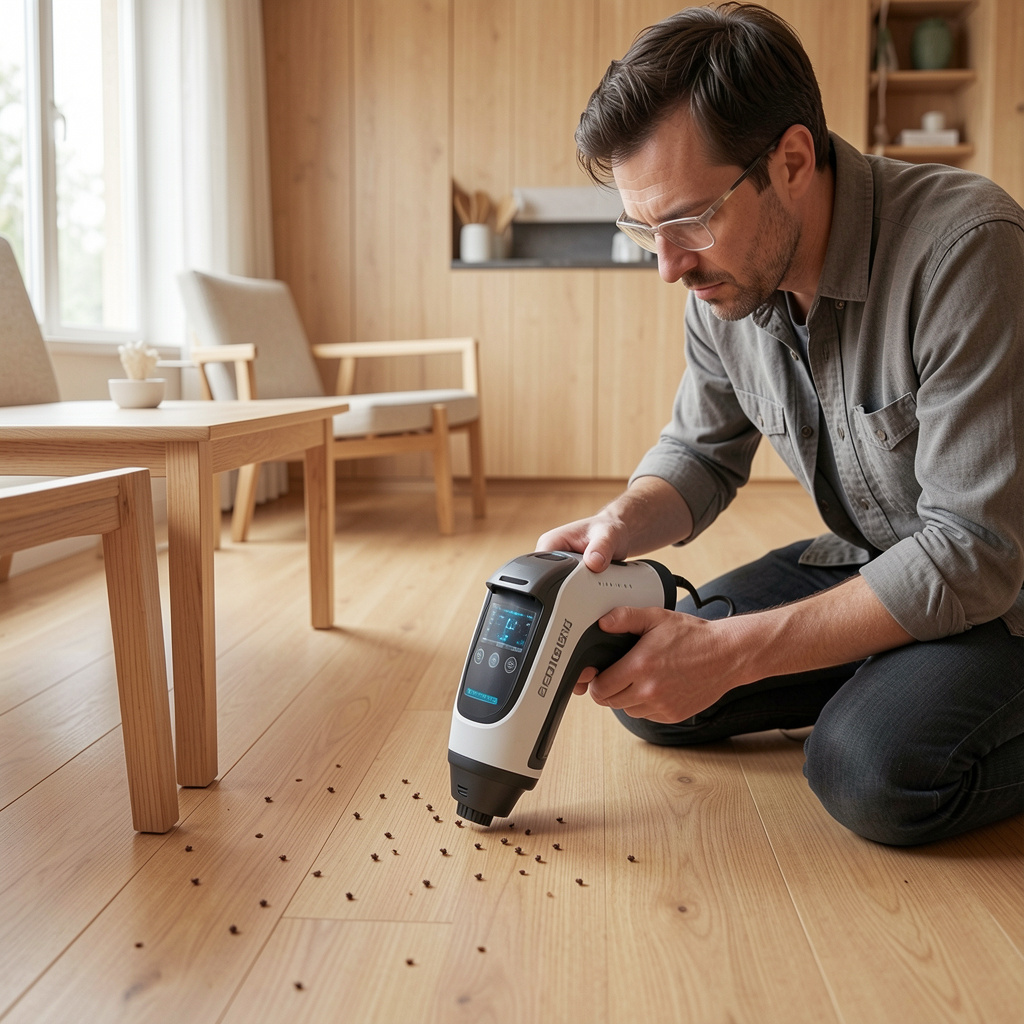
Microwave Woodworm Treatment
Microwave technology has become increasingly popular.
How Microwave Treatment Works
Microwave energy heats moisture inside wood.
This destroys:
- Larvae
- Eggs
- Adult insects
Benefits
Microwave treatment offers:
- Deep penetration
- Chemical-free treatment
- Fast results
Because it targets pests inside timber:
Wood can often be preserved
Many homeowners exploring eco-friendly timber care through shashel.eu increasingly choose microwave treatment because it helps save valuable timber without major replacement.
Heat Treatment
Heat treatment is another effective non-destructive option.
How It Works
Wood is heated to temperatures woodworm cannot survive.
Benefits
Heat treatment:
- Avoids toxic chemicals
- Preserves wood structure
Best For
Works well for:
- Structural timber
- Furniture
This method often saves wood successfully.
Moisture Control Helps Save Timber
Woodworm thrives in damp conditions.
Treating moisture problems often helps preserve affected wood.
Common Moisture Sources
Check for:
- Roof leaks
- Pipe leaks
- Poor ventilation
Dry wood becomes less attractive to beetles.
Moisture control improves treatment success.
When Wood Replacement May Be Necessary
Although replacement is often avoidable, severe cases sometimes require it.
Severely Weakened Timber
Wood may need replacing if it becomes:
- Soft
- Fragile
- Unsafe
Structural Safety Issues
Replacement may be necessary if:
- Roof beams weaken
- Floors sag
- Ceiling supports fail
Extensive Crumbling
Wood that breaks apart easily may no longer be safe.
Professional assessment is important.
How to Tell If Damage Is Too Severe
Watch for warning signs such as:
Sagging Floors
May indicate weakened support timber.
Deep Cracks
Structural weakening may exist.
Crumbling Wood
Severely damaged timber deserves attention.
Hollow Timber
Extensive internal tunneling may reduce strength.
Experts can confirm whether timber remains safe.
Can Antique Furniture Be Saved?
In many cases, yes.
Antique furniture often responds well to:
- Microwave treatment
- Heat treatment
- Careful chemical treatment
Why Preservation Matters
Replacement may reduce value.
Saving original wood is often preferred.
Early treatment improves results.
DIY vs Professional Treatment
DIY Treatment
May help with:
- Small furniture items
- Minor visible damage
Professional Treatment
Recommended for:
- Structural timber
- Hidden infestation
- Valuable furniture
Professional assessment helps avoid unnecessary replacement.
Experts often save wood homeowners assume is ruined.
How to Prevent Future Damage
Prevention helps preserve treated timber.
Keep Wood Dry
Dry wood discourages infestation.
Improve Ventilation
Airflow reduces humidity.
Inspect Regularly
Routine checks reveal early warning signs.
Repair Leaks Quickly
Moisture attracts pests.
Treat Vulnerable Timber
Protective products reduce future risk.
Good maintenance protects long-term value.
Common Mistakes Homeowners Make
Replacing Wood Too Early
Treatment may save timber.
Ignoring Small Signs
Minor holes can grow into larger problems.
Delaying Treatment
Waiting increases damage.
Ignoring Moisture Problems
Dampness encourages reinfestation.
Fast action improves outcomes.
When to Seek Professional Help
Professional help is recommended if:
- Structural wood is affected
- Timber weakens noticeably
- Infestation spreads
Experts can determine:
- Whether infestation is active
- If wood can be saved
Professional advice often prevents unnecessary replacement.
Conclusion
So, can you treat woodworms without replacing wood? In many cases, yes — woodworm can often be treated successfully without replacing timber, especially when infestation is discovered early and structural damage remains limited.
Modern methods such as chemical treatment, microwave technology, heat treatment, and moisture control often eliminate woodworms while preserving furniture, flooring, and structural timber. Replacement is usually only necessary when wood becomes severely weakened or unsafe.
Many homeowners exploring timber care through shashel.eu understand that early detection is the key to saving wood and avoiding unnecessary repair costs.